
Products: Hotel TVs
Home | Hotel TVs
Products
Hotel TVs
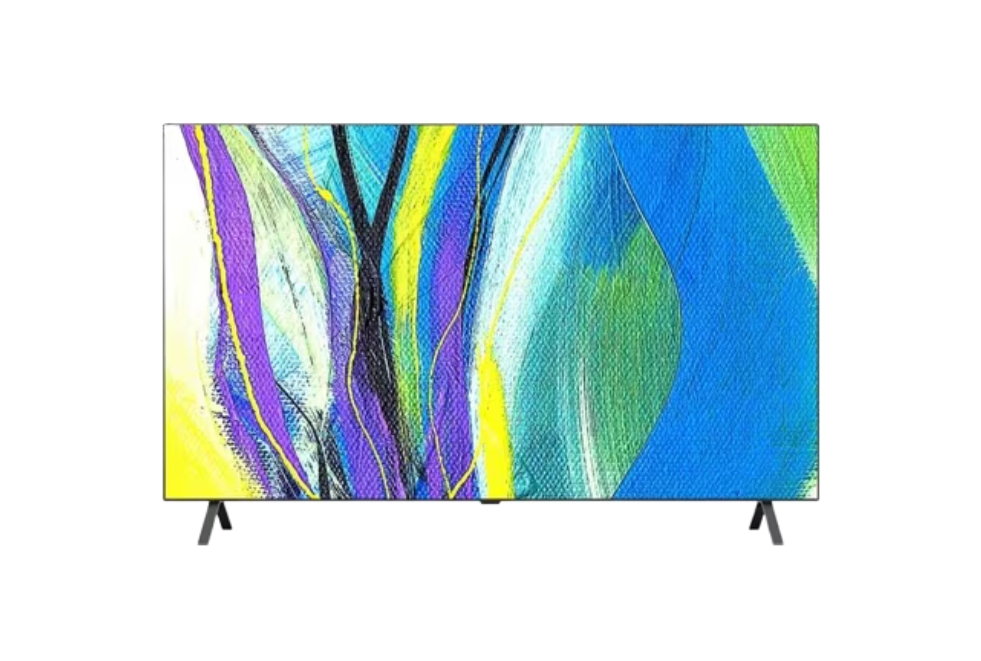
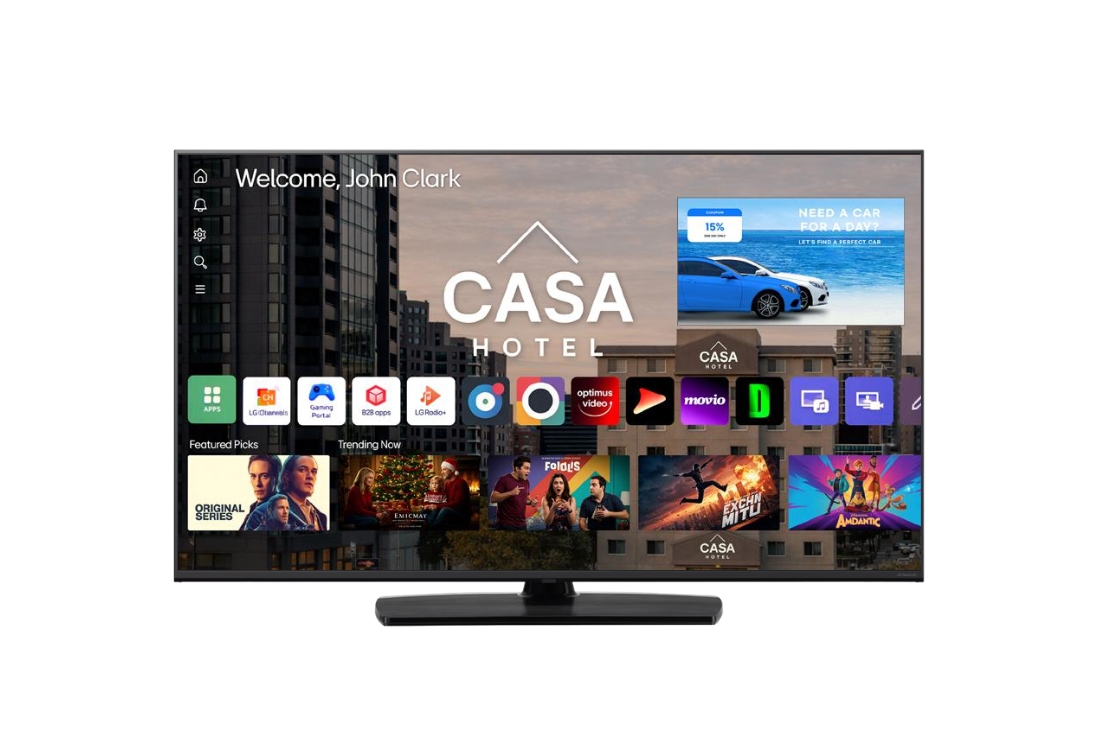
LG UJ660H Series Pro:Centric® Smart 4K UHD Hospitality TV
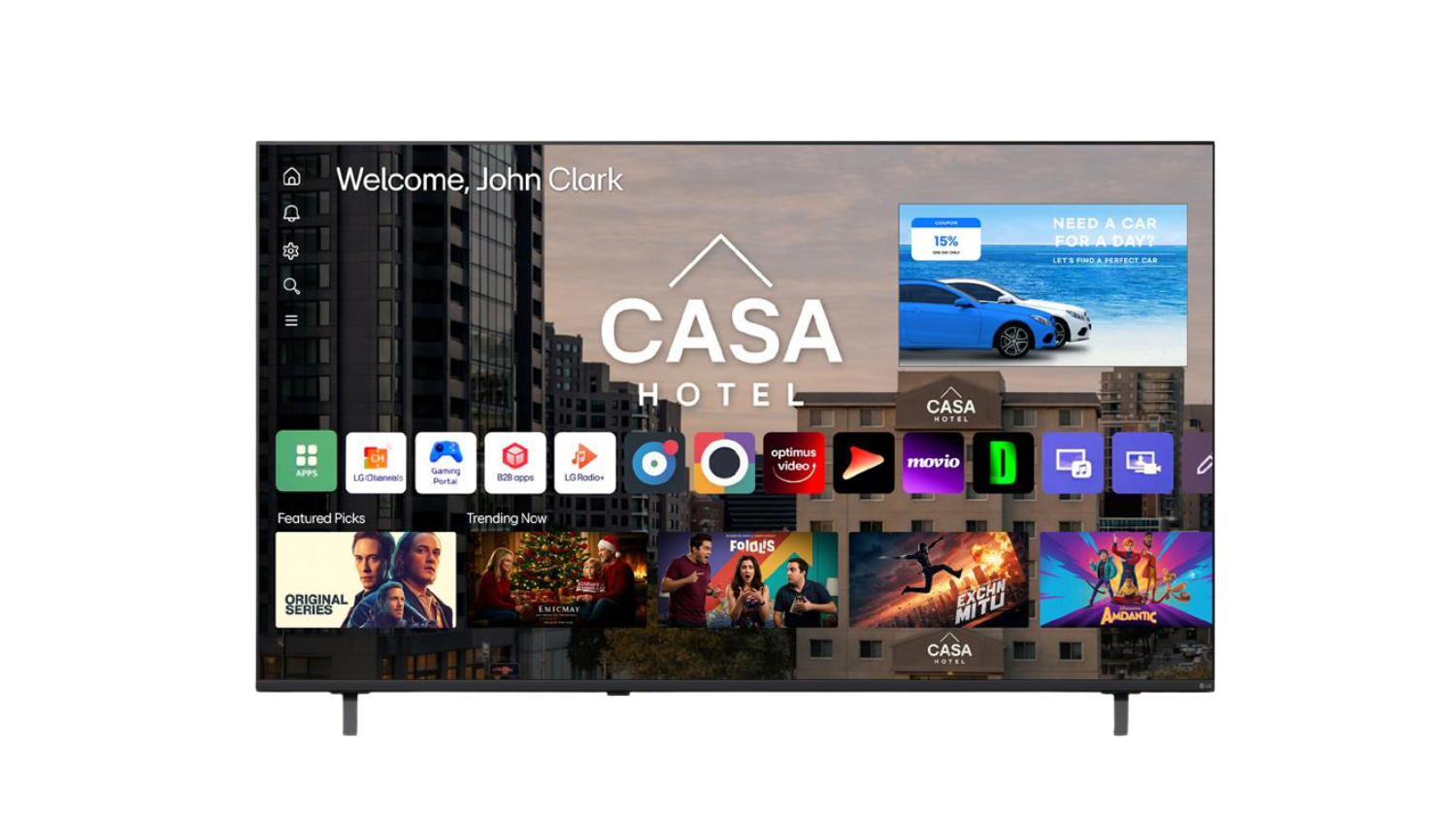
LG UJ661H Series Pro:Centric® Smart 4K UHD Hospitality TV
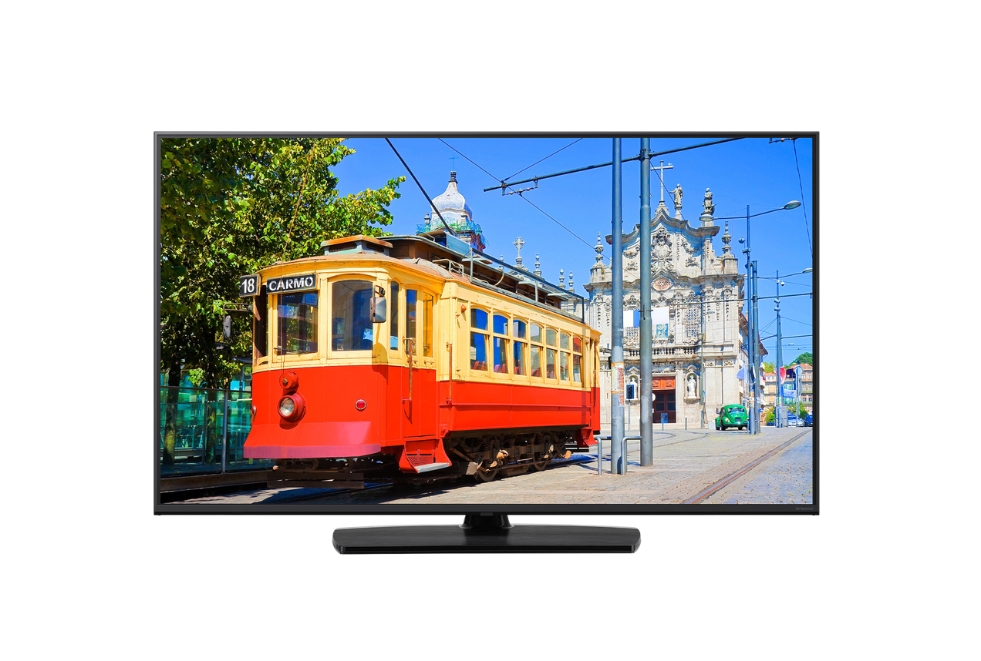
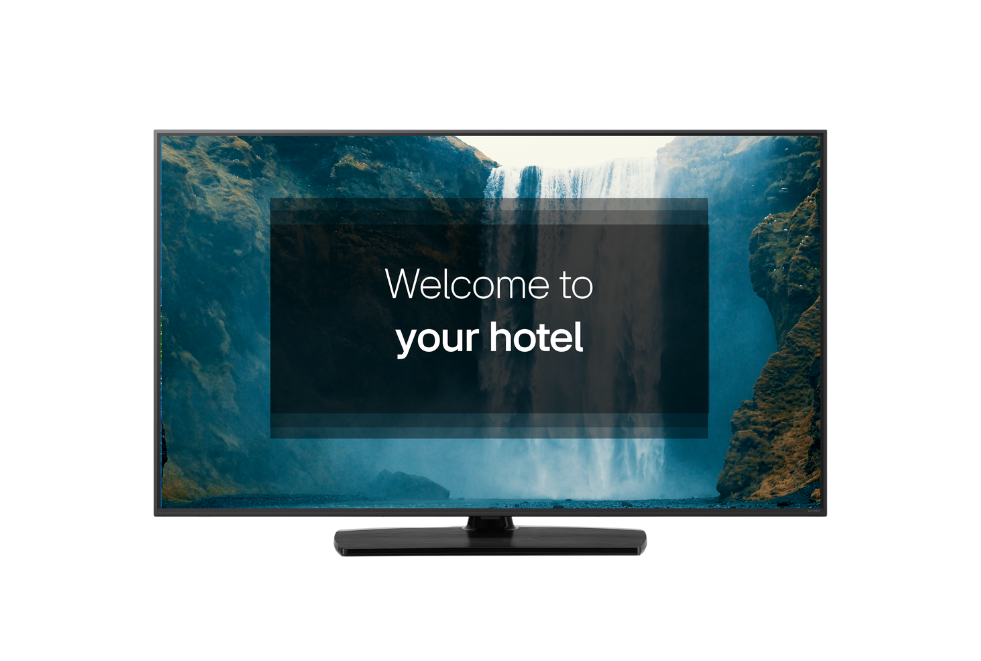
LG UK560H Series Pro:Centric® NanoCell Hospitality TV
LG UK570H Series NanoCell Hospitality TV with Pro:Centric® Direct and b-LAN
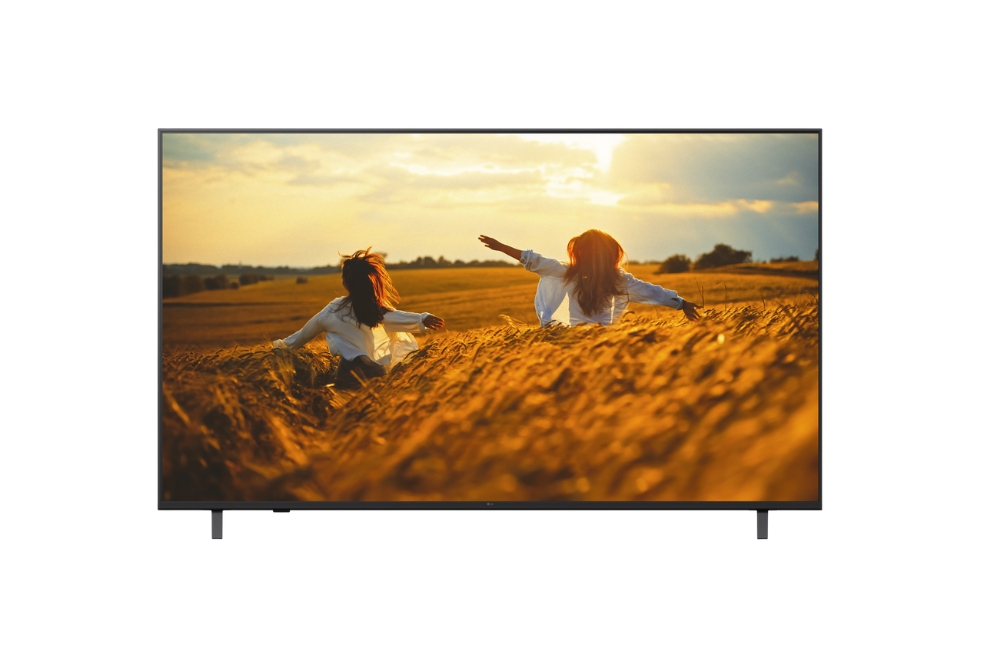
LG UK660H Series Value-Packed Pro:Centric® Smart Hotel TV
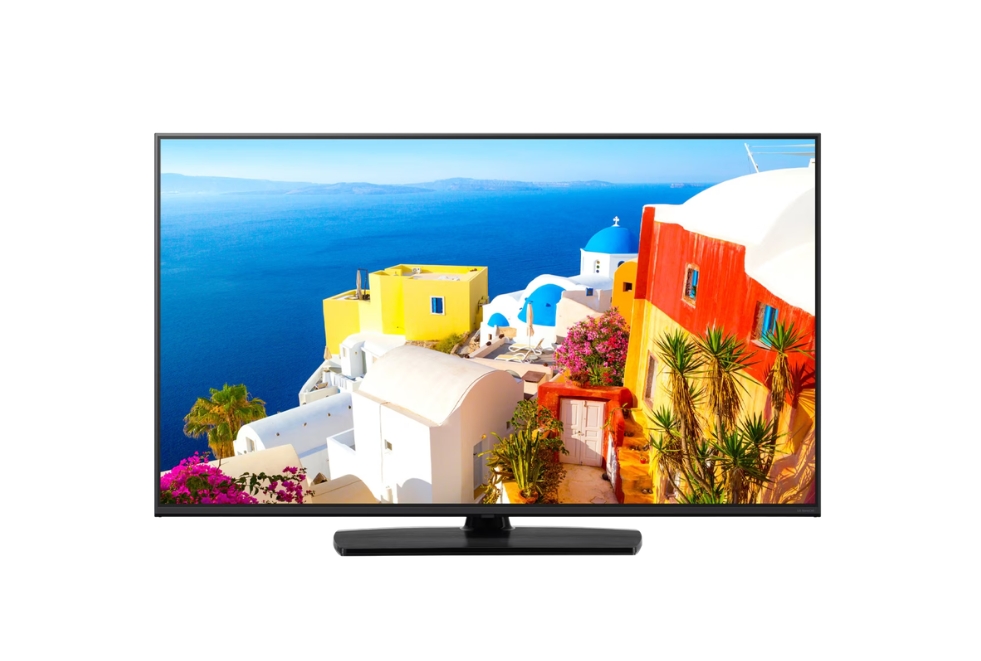
LG UK670H Series Pro:Centric® Smart NanoCell Hospitality TV
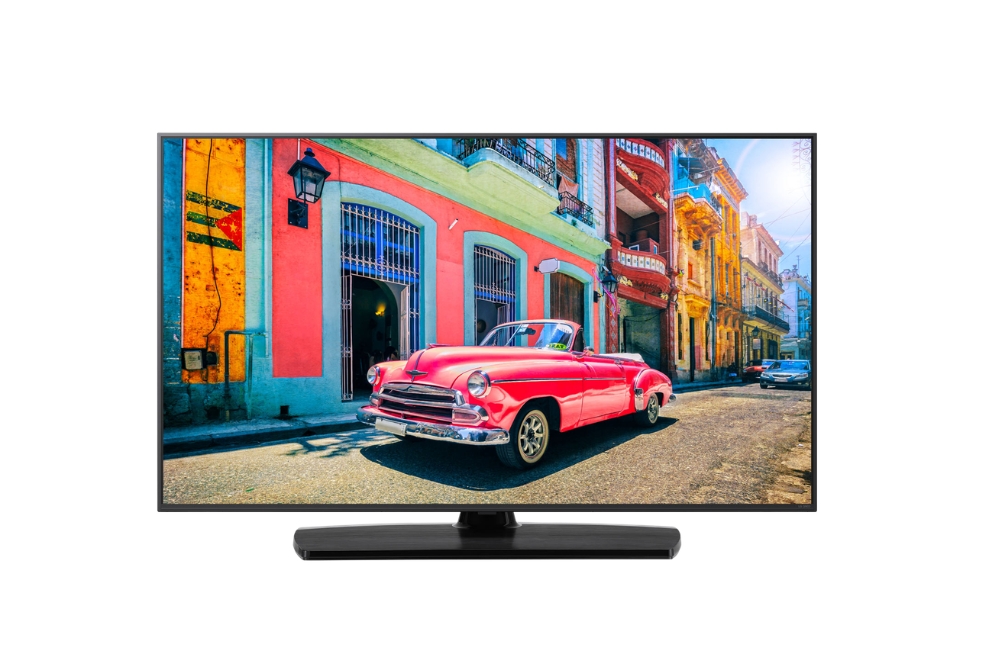
LG UK777H Series 4K Ultra HD Pro:Centric® Smart QNED Hospitality TV
Hospitality TVs for hotels: commercial-grade displays built for guest rooms
A hospitality TV is a commercial-grade television designed for hotel environments. It gives you control over content while protecting premium channels, all within the brand standards your property needs to meet. If you’re sourcing TVs for guest rooms, suites or shared spaces, the decision requires you to know more than the screen size and price. We explain what to look for when choosing TVs for your property, from how hospitality TVs differ from consumer models to the role Pro:Idiom plays.,
What is a hospitality TV?
A hospitality TV is built specifically for commercial environments such as hotels, serviced apartments and healthcare settings. While it looks identical to a consumer TV, it’s built to be managed across an entire property. Instead of acting as a standalone screen, it becomes part of your broader in-room entertainment system. You can set what appears when the TV turns on and manage it across the property, with the option to connect it to IPTV or your property management system. The category is usually split into four types:
- Basic models without content protection
- Pro:Idiom-enabled TVs for encrypted content
- b-LAN systems that allow centralized control across rooms
- Smart hospitality TVs that support apps and casting
The type of hospitality TV you choose will depend on how it fits into your setup. It affects how content is delivered and the ways in which the system is managed behind the scenes.
Hospitality TV vs consumer TV: what’s the difference?
The difference between hospitality TVs and consumer options goes beyond the cosmetic aspect and focuses on how the TV behaves once it’s installed across multiple rooms.
| Feature | Hospitality TV | Consumer TV |
| Warranty | Typically 2-year commercial warranty designed for hotel use | Usually 1-year warranty, often void in commercial environments |
| Content protection | Supports DRM standards like Pro:Idiom for HD channel distribution | No built-in Pro:Idiom support |
| Control | Lockable settings, volume limits, default channels, input restrictions | Limited control over guest access and settings |
| Build quality | Designed for continuous, high-usage environments | Built for intermittent residential use |
| Integration | Connects with IPTV and property management systems | Standalone device with limited system integration |
Warranty coverage and how content is handled both affect long-term cost and how much day-to-day management is needed. A consumer TV might look cheaper upfront, but it often creates additional work and more risk once it’s used across a property.
Pro:Idiom and content protection explained
Pro:Idiom is an encryption standard used across the hospitality industry to protect high-definition content. It was developed by LG and Zenith and is now largely required by major content providers. Without it, you won’t be able to legally distribute certain HD channels across your property unless you install a set-top box in every room. Of course, that also means more hardware to deal with and a setup that becomes increasingly difficult to manage over time. With Pro:Idiom built into the TV, content can be delivered securely through your existing infrastructure. It reduces the need for additional equipment and keeps the system easier to manage. Most US hotels require Pro:Idiom. It underpins how in-room entertainment is delivered and is usually built into brand standards from the start.
Choosing the right brand: LG
LG commercial TVs (Pro:Centric)
LG is one of the dominant manufacturers in hospitality TV use across the US, and many hotel brands already specify it within their standards. The Pro:Centric platform sits at the heart of LG’s offering and gives you centralized control over content and on-screen settings across the property. Instead of configuring each TV individually, you can apply changes across the property. LG’s hospitality TVs run on webOS, which keeps the interface familiar while still allowing for commercial control underneath. Pro:Idiom is built in, and the TVs are designed to integrate with IPTV systems and broader content management setups. Centralized control becomes more important as you scale. A single room might not highlight the difference, but across dozens or hundreds of rooms it starts to have an impact. Many US hotel brands include LG directly in their brand standards, which removes ambiguity when specifying TVs for new builds or refurbishments.
Smart hospitality TVs and guest connectivity
Guest expectations have changed over the years, and most arrive with their own devices that they expect to use without friction. Modern hospitality TVs support secure casting and app-based access, including Chromecast, AirPlay and manufacturer-led solutions that allow guests to stream from their own devices without exposing your network to risk. Security is part of the equation here, as casting needs to be session-based so one guest’s connection doesn’t interrupt the next stay. Hospitality TVs reset connections between stays, unlike consumer setups where devices can remain paired. Even with streaming, there’s still room for HDMI access to play a role. Some guests will plug in their own devices, so having accessible ports while maintaining control over inputs is part of the design. Guests tend to mention connectivity in feedback when it doesn’t match what they expect from their setup at home. When it works as expected, it goes unnoticed.
What size TV does your hotel room need?
TV size largely depends on the room layout and how far guests are from the screen, with brand standards often guiding the final choice. Smaller rooms in budget or extended-stay properties often sit in the 32 to 43 inch range, which works when the screen is mounted close to the bed and the viewing distance is limited. Standard guest rooms have moved upward over time, with many properties now installing 50 to 55 inch screens. 55 inches is commonly used as a reference point across several major hotel brands, as it aligns more closely with what guests expect at home. Suites and shared spaces may go larger, with sixty-five inches and above common in areas where the room can support it. This is usually the case in lounges or premium rooms where the TV forms part of the overall feel of the space. As a general guide, screens above 40 inches tend to work beyond six feet of viewing distance, with larger sizes needed as the distance increases. In practice, brand standards from groups like Marriott, Hilton, Hyatt, and IHG should take priority, as they often specify exact requirements.
Warranty, lifespan, and replacement cycles
Hospitality TVs are designed for continuous use, but they still follow a predictable lifecycle. Most models come with a two-year commercial warranty, with some extending further depending on the manufacturer and model. Coverage reflects how the TVs are used in hotel environments. It’s not uncommon for properties to replace guest room TVs every five to seven years to keep performance consistent and avoid issues as guest expectations move on. Using consumer TVs in hotel environments can create problems over time. Once warranty limitations and higher failure rates come into play, the initial cost saving often disappears.
Hospitality TV pricing
Pricing varies based on screen size and the features included, with brand also playing a role. Entry-level models can start around $150 per unit, while larger 4K UHD smart hospitality TVs with full integration capabilities can surpass $1,000. Most projects sit somewhere between those points. Bulk orders typically reduce the per-unit cost, especially when you’re working across multiple rooms or properties. Pricing tends to change once the project is scoped out in full. Rather than pricing the TVs in isolation, suppliers often include delivery and setup as part of the same package, which affects how the overall cost is built. Because of this, it’s better to treat pricing as part of a wider discussion rather than a fixed list.